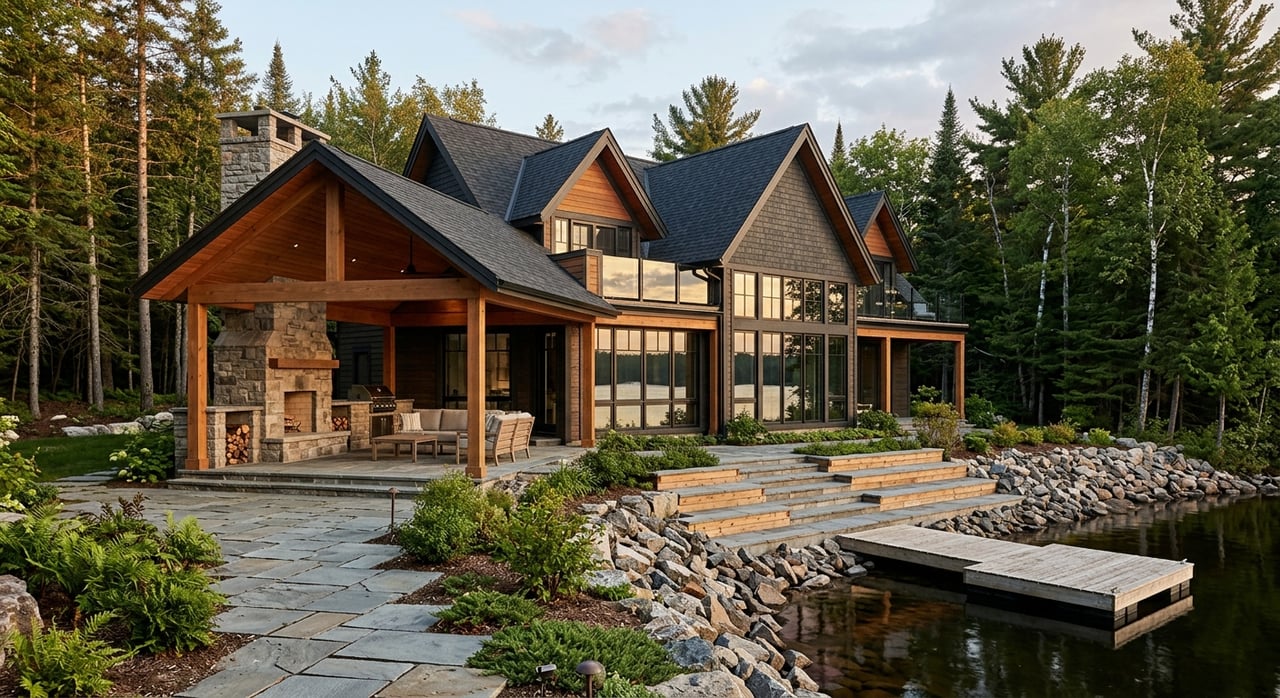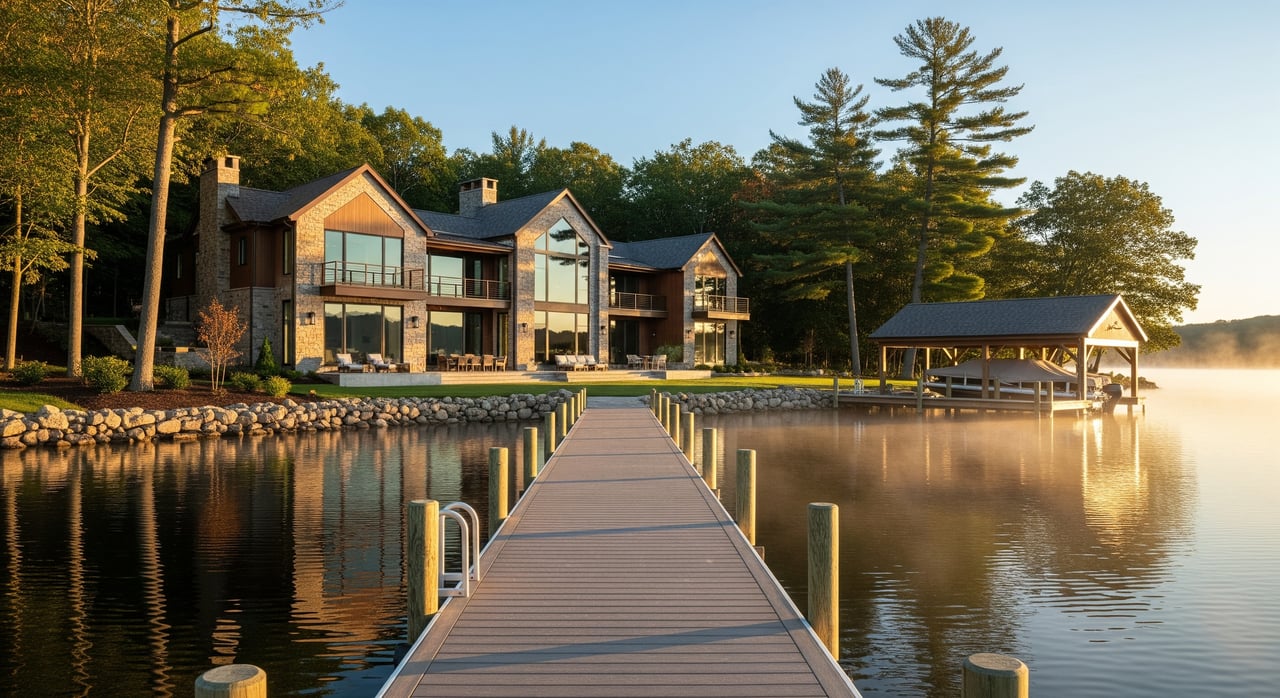
Picture morning coffee on a quiet dock or an afternoon paddle after work. If you’re dreaming about lake life in the Poconos, Monroe County gives you a lot of options, and that can feel overwhelming. You want the right mix of amenities, rules, and location so your day-to-day life matches your vision. This guide helps you compare common lake community types, understand tradeoffs, and build a simple plan to choose with confidence. Let’s dive in.
Start with your lifestyle checklist
Before you look at listings, get clear on what matters most. Use this quick checklist to narrow your focus:
- Recreation: swimming beach, boat ramp, marina, pool, tennis or pickleball, clubhouse programs.
- Lake rules: deeded access vs HOA-controlled access, guest policies, motorboat or electric-only.
- Vibe: year-round residential, seasonal second-home, resort-focused, or age-restricted.
- Location: proximity to ski areas and trails, winter road access, commute needs.
- Rentals: allowed, limited, or prohibited; registration process and taxes.
- Costs: HOA dues, special assessments, property taxes, insurance.
- Maintenance: exterior responsibilities, road plowing, well and septic, dock upkeep.
- Services: broadband and cell coverage, trash and recycling, emergency access.
Bring this list to every tour and ask for documents that confirm the answers in writing.
Common community types in Monroe County
Monroe County sits in the Pocono Mountains and includes many private and semi-private lake neighborhoods. You’ll see a few clear patterns. Choosing a type first makes individual communities easier to compare.
Year-round residential with full services
These communities feel like traditional neighborhoods with lake access and shared amenities. You tend to see school-year activities, steady occupancy, and rules that support daily living. If you work locally or commute and want four-season consistency, this could be a fit.
Seasonal and second-home enclaves
Expect more homes used mainly in summer or winter. Weekday streets can be quiet outside peak seasons, and some amenities run on seasonal schedules. If you want a retreat vibe and plan to use the home for getaways, this may align with your goals.
Resort-focused with active rentals
These neighborhoods lean into tourism and may have higher short-term rental activity. Rules often address guest passes, parking, and noise. If rental income is part of your plan, you’ll want the HOA’s rental policy and local ordinances in writing before you write an offer.
Age-restricted or retiree-leaning
Some communities set age restrictions and offer quieter amenities. Rules and programming are designed for low-maintenance living. If you want a calmer pace with organized clubs and simpler upkeep, this style can work well.
Amenities and lake access differences
Amenities can look similar on a brochure, but the details matter. Focus on how access works, not just what exists.
Lake access and membership
Access can be deeded to the lot or controlled by an HOA or a separate lake club. Ask whether guests can use facilities and if membership is required. Request the HOA’s rules and any separate club agreements to confirm.
Boats, motors, and docks
Some lakes permit motorboats or jet skis. Others allow only electric motors. Many set rules for horsepower, dock size, and boat registration. Get the lake use rules and dock policies in writing and confirm how they are enforced.
Beaches, pools, courts, and programs
Communities may offer swim beaches, pools, playgrounds, tennis or pickleball, and clubhouses. Some host summer camps or seasonal events. Ask for an amenities map, a current list of programs, and any associated fees.
Roads, snow, and access
Roads can be private or publicly maintained. Private roads often mean HOA responsibility for plowing and repairs. Confirm who maintains the roads, how snowfall is handled, and any steep or seasonally challenging access points.
Rental rules and what to verify
Short-term rental policy is one of the biggest variables across Monroe County lake communities. If income is part of your plan, do your homework up front.
HOA rental policy
Many associations limit short-term rentals or require registration, minimum stay lengths, occupancy caps, and extra fees or insurance. Ask for the HOA’s written rental rules and examples of enforcement from recent meeting minutes.
Municipal rules and taxes
Townships can require rental registration, safety inspections, and lodging or occupancy taxes. Requirements and enforcement vary by municipality. Confirm local ordinances with the township and budget for all fees and taxes.
Lender and insurance considerations
Some lenders set conditions for financing homes in certain types of associations or where rentals are common. Insurers can price vacation or rental properties differently, especially near lakes or with septic systems. Check lending and insurance early so your numbers are accurate.
Location and outdoor recreation
Location shapes daily life and weekend fun, especially in winter.
Skiing, trails, and parks
Camelback Mountain Resort in Tannersville is a major area destination for skiing and year-round activities. Many Monroe County lake communities are a short drive away, and the region also offers hiking in the Delaware Water Gap and other state park trails. Use a mapping tool to verify drive times and remember winter driving can add time.
Commuting and winter conditions
If you commute to work, test the drive in peak and off-peak conditions. Ask about typical snow totals and how quickly roads are cleared. Consider whether any steep roads or private access points could affect daily routines in January and February.
Costs, utilities, and risk
Owning in a lake community includes both HOA and property-specific costs. Get a full picture early.
HOA dues and assessments
Know what dues cover, how often they are billed, and whether fees include road maintenance or just amenities. Ask for the current budget, reserve study, and any history of special assessments. Meeting minutes can reveal upcoming projects that may affect future dues.
Taxes and services
Property tax rates vary by municipality within Monroe County. Request the current tax bill for each home you consider. Clarify trash and recycling, mail delivery, and emergency service access so there are no surprises.
Wells, septic, and broadband
Many lake homes use private wells and septic systems. Ask for inspection history and pumping intervals. Test cell coverage on site and confirm broadband providers if you work from home.
Flood and insurance
Some lake or downstream lots may lie in FEMA flood zones. If a lender requires flood insurance, it can be a meaningful cost. Verify flood zone status and review the HOA’s master policy to understand what your personal policy needs to cover.
What to request before you tour
Ask the listing agent or HOA for these items so you can compare communities apples-to-apples:
- HOA declaration or CC&Rs, bylaws, and current rules and regulations.
- Current budget, year-to-date financials, and the most recent reserve study.
- HOA meeting minutes for the last 12 months and any recent newsletters.
- Certificate of insurance or summary of the master policy.
- Written rental rules and any rental registration forms.
- Copies of recorded lake access easements if access is supposed to be deeded.
- Notices of special assessments and a history of past assessments.
- Municipal short-term rental requirements, including registration and taxes.
Avoid these common pitfalls
- Treating brochures as fact. Governing documents and budgets are the legal and financial truth.
- Underestimating seasonal costs. Plan for winterization, septic maintenance, and variable utility usage.
- Missing rental limits. HOA or township rules can block or restrict short-term rentals.
- Skipping road details. Private roads can add costs and affect winter access.
- Overlooking risk. Flood zones and insurance requirements can change your monthly budget.
How to compare options like a pro
Use a simple scoring sheet for each community you tour. Rate 1 to 5 on these items:
- Amenity fit for your lifestyle.
- Lake access rules and guest flexibility.
- Rental policy alignment with your goals.
- Drive time to work, skiing, and trails in peak and winter conditions.
- HOA financial health and history of special assessments.
- Owner maintenance responsibilities and road plowing.
- Broadband and cell reliability on site.
- Resale appeal based on recent comparable sales and demand seasonality.
Then keep only the top two or three for a deeper document review before writing an offer.
How we can help you choose confidently
You do not have to figure this out alone. A focused plan and the right documents make the choice clear. We can request HOA packets early, outline the rules that matter to you, and coordinate tours that compare the best-fit communities in a single day. If you are out of the area, we can preview homes, record walk-through videos, and connect you with local lenders and inspectors who know lake properties.
When you are ready, reach out to schedule a brief planning call. You will leave with a short list of Monroe County lake communities that fit your lifestyle, budget, and timeline, plus a document checklist to review before you write an offer. If you want a neighborly expert in your corner from first tour to closing, connect with Alyssa Sells the Poconos.
FAQs
How do short-term rentals work in Monroe County lake communities?
- Each HOA sets its own rules, and local townships can require registration, inspections, and occupancy taxes, so you should get the HOA’s written policy, verify municipal requirements, and confirm lender and insurance conditions before assuming rental income.
Do I own lake access or is it membership-based in Monroe County?
- Check the deed for recorded easements, review the HOA declaration, and ask for any separate lake club agreements to confirm whether access is deeded to the lot or controlled by membership.
What maintenance am I responsible for in a lake HOA or condo?
- Review the declaration and maintenance chart to see what the association covers versus the owner, including exterior elements, septic or sewer, private roads, and dock upkeep.
How close are Monroe County lake communities to Camelback Mountain?
- Many are a short drive, but travel times vary by road access and winter conditions, so use a mapping tool to estimate both fair-weather and snow-day drives before you commit.
How can I estimate the total monthly cost of a Pocono lake home?
- Add HOA dues, property taxes, typical utilities, insurance (including flood if required), and a reserve for septic, road, or special assessments, then verify each item with current documents from the HOA and municipality.